
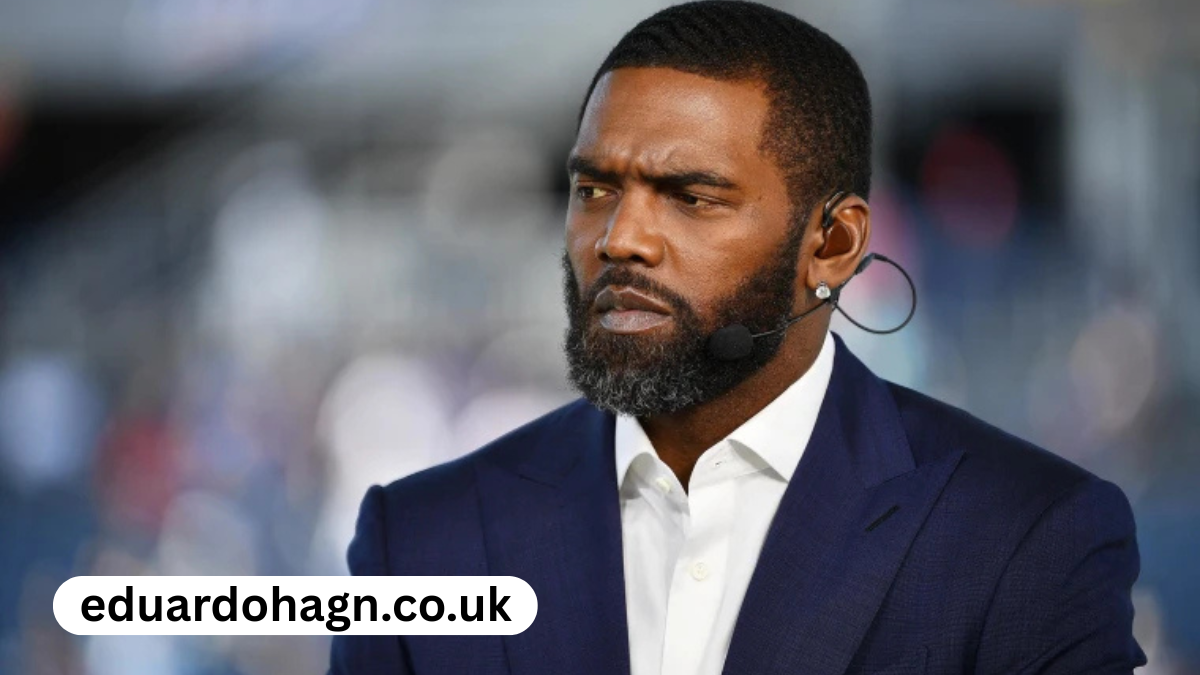
Randy moss health has long been regarded as one of the most electrifying wide receivers in NFL history, and discussions around Randy Moss health continue to attract attention years after his retirement. Fans remain curious not only about his career achievements but also about how his body and overall well-being have evolved after enduring the physical intensity of professional football. In the modern sports landscape, where athlete health is widely discussed, Moss represents a key figure whose name often resurfaces in conversations about long-term athletic durability.
The interest in Randy moss health is not driven by any single confirmed issue, but rather by a broader curiosity surrounding retired athletes and how they manage life after years of high-impact competition. Football, especially at the wide receiver position, places immense strain on joints, muscles, and long-term mobility. As a result, fans naturally wonder how players like Moss are doing today, what their lifestyle looks like, and whether the transition away from the game has influenced their physical or mental well-being over time Randy moss health.
Who Is Randy moss health?
Randy moss health is widely recognized as one of the most dominant wide receivers in NFL history, known for his speed, athleticism, and ability to make extraordinary catches look routine. From his early days, Moss stood out as a generational talent who could change the momentum of a game in a single play. His career included standout performances with teams like the Minnesota Vikings, Oakland Raiders, New England Patriots, and San Francisco 49ers, where he consistently proved himself as a deep-threat receiver who challenged defensive schemes across the league Randy moss health.
Beyond his statistical achievements, Moss’s impact on football culture is equally significant. He redefined what it meant to be a wide receiver in the modern NFL era, combining physical dominance with exceptional field awareness. His presence forced opposing teams to adjust defensive strategies, often requiring double coverage or specialized schemes just to contain him. This level of attention not only elevated his status but also contributed to the physical toll his career placed on his body over time.
As Moss transitioned out of professional football, his identity evolved from elite athlete to respected sports analyst and public figure. This shift brought renewed attention to his personal life, including curiosity about his health, lifestyle choices, and how he maintains wellness after years of intense physical competition. His legacy continues to influence discussions about athlete longevity and post-retirement health management.
Randy Moss Health During His NFL Career
During his playing years, Randy moss health and physical conditioning were central to his success on the field. As a wide receiver known for explosive speed and vertical ability, Moss relied heavily on lower-body strength, flexibility, and quick recovery to maintain peak performance. The demands of the NFL meant constant physical contact, rapid acceleration, and frequent high-impact landings, all of which contribute to long-term wear and tear on the body.
Despite the physical intensity of the sport, Moss was widely regarded as a durable player for most of his career. While he did experience typical football-related injuries, such as minor strains and routine wear, he was able to maintain a relatively consistent presence on the field compared to many players in similar positions. His training routines and natural athleticism played a major role in helping him sustain performance across multiple seasons at an elite level.
However, like many professional athletes, the cumulative effects of years in the league likely contributed to ongoing physical management needs. Even without widely publicized major injuries, the repetitive stress associated with sprinting, jumping, and absorbing contact can have lasting effects. For Moss, maintaining performance meant not only excelling on game days but also investing in recovery practices that allowed him to stay competitive throughout a long and demanding career.
Post-Retirement Health and Lifestyle
After retiring from professional football, Randy moss health shifted into a lifestyle that placed greater emphasis on recovery, balance, and long-term wellness. The transition from athlete to retired professional often involves significant changes in daily routine, including reduced physical strain and more controlled fitness regimens. For Moss, this phase allowed his body to move away from the constant stress of NFL-level competition and focus instead on maintenance and general health.
In retirement, many former athletes adapt their diets, exercise routines, and activity levels to suit a more sustainable lifestyle. While Moss has remained active in various capacities, including media appearances and public engagements, the intensity of physical exertion is no longer comparable to his playing days. This shift is important for long-term joint health, cardiovascular balance, and overall physical recovery after years of professional sports demands.
Public appearances and interviews suggest that Moss has embraced a more relaxed but still health-conscious lifestyle. While he is no longer subject to the weekly physical toll of NFL games, maintaining fitness remains an important aspect of life after football. This balance between activity and recovery is a common theme among retired athletes, highlighting the importance of adapting health habits as the body ages and changes over time.
Mental Health, Public Image, and Legacy
The conversation around Randy Moss health is not limited to physical well-being; it also extends to mental and emotional health. Transitioning out of professional sports can be a complex experience for many athletes, as it involves shifting identity, routine, and public expectations. For someone as high-profile as Moss, this transition also includes navigating ongoing media attention and fan curiosity about his life after football.
Mental health awareness in sports has grown significantly in recent years, and retired athletes are now more openly discussed in terms of emotional well-being and adjustment after retirement. While Moss has largely maintained a positive public image, his ability to remain composed in the spotlight reflects the importance of mental resilience in managing life after professional athletics. Staying active in media and sports commentary has also helped him maintain a connection to the game, which can support emotional continuity after retirement.
Moss’s legacy continues to shape how fans view him today. His name is often associated not only with highlight-reel performances but also with discussions about longevity, athlete care, and post-career health awareness. As fans reflect on his impact, they also consider how players of his caliber adapt to life beyond the field, making his health and well-being an ongoing topic of interest in sports culture.
Conclusion
Randy Moss’s journey from NFL superstar to retired legend illustrates the broader story of athlete health, both during and after a professional career. While there is no widespread concern regarding his current health, the curiosity surrounding Randy Moss health reflects a deeper appreciation for the physical and mental demands placed on elite athletes. His ability to transition into life after football while maintaining a public presence highlights resilience and adaptability.
Ultimately, Moss remains a symbol of athletic excellence whose legacy continues to inspire discussion about sports performance, long-term wellness, and life beyond competition. His story serves as a reminder that health in professional sports is not just about peak performance but also about how athletes evolve once the stadium lights fade.
You read: Elmer Heinrich Net Worth