
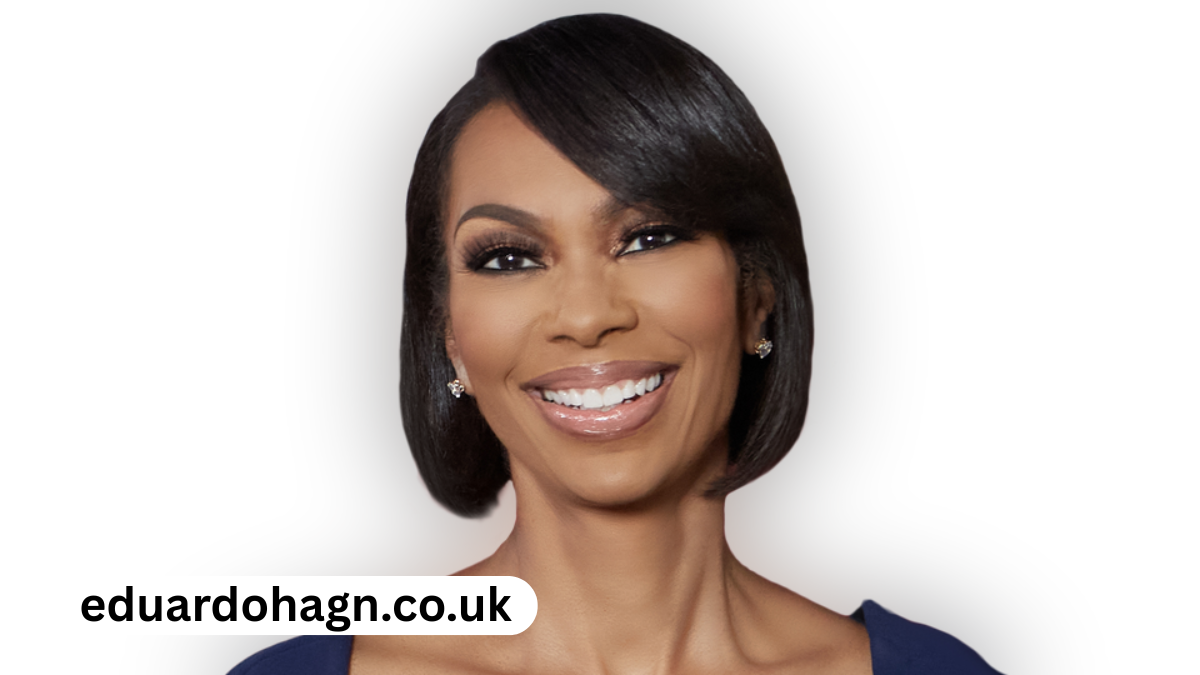
The Faulkner Focus is a daytime news and political commentary program that has become a recognizable fixture in modern cable news programming. Airing on Fox News, the show blends breaking news updates, political analysis, and structured debate segments into a fast-moving broadcast designed for viewers who want both information and interpretation. Unlike traditional straight-news formats, it leans heavily into discussion-driven reporting, where headlines are not just delivered but analyzed in real time.
The program is built around the idea of context-driven journalism, where current events are unpacked through multiple perspectives. This approach allows the audience to engage with political developments, policy decisions, and cultural debates in a more interpretive way. Over time, the show has carved out a distinct identity within the competitive landscape of American cable news by balancing urgency with commentary, making it a consistent choice for viewers seeking daily political insight.
Background and Evolution of The Faulkner Focus
The show was developed as part of Fox News’ effort to expand its daytime programming lineup with strong opinion-led news coverage. Over time, it has evolved from a conventional news hour into a more dynamic and personality-driven format. This evolution reflects broader shifts in television journalism, where audience engagement and presenter credibility are as important as the news itself.
As the media landscape has become increasingly fragmented, the program has adapted by tightening its focus on politically relevant topics and national headlines. It has also refined its pacing and segment structure to accommodate shorter attention spans and digital clip-sharing culture. This evolution has helped the show remain relevant in an era where viewers often consume news through both television and social media platforms.
Format, Structure, and On-Air Style
The structure of The Faulkner Focus is designed for clarity and momentum. Episodes typically open with a headline summary before transitioning into segmented discussions that break down the most important political and social stories of the day. These segments often include panel discussions, interviews, and commentary blocks that provide layered perspectives on current events.
The on-air style is direct, conversational, and fast-paced. Rather than long-form investigative reporting, the show emphasizes real-time reaction and interpretation. This creates a sense of immediacy, allowing viewers to feel connected to unfolding news cycles. The format also encourages debate-style exchanges, which add energy and variety to the broadcast while keeping viewers engaged throughout the hour.
Host Profile and On-Screen Presence
The identity of The Faulkner Focus is closely tied to its host, whose professional journalism background plays a central role in shaping the program’s tone. With experience in both field reporting and studio anchoring, the host brings a blend of credibility and controlled urgency to the broadcast. This balance helps guide discussions while maintaining a structured narrative flow.
On-screen presence is a defining feature of the show’s appeal. The hosting style is confident yet measured, allowing guests and contributors space to expand on their viewpoints while keeping the conversation anchored to key news points. This dynamic helps the program maintain both authority and accessibility, appealing to viewers who prefer structured political discussion without losing the pace of breaking news coverage.
Political Commentary and Core Themes
At its core, The Faulkner Focus centers around political commentary and interpretation of national and international events. The show frequently covers government policy, elections, legal developments, and major cultural debates. Each topic is presented with an emphasis on how it impacts everyday citizens and the broader political landscape.
The editorial framing often leans toward analysis rather than neutral reporting, encouraging discussion around implications and consequences of political decisions. This approach allows the program to serve as both a news source and a commentary platform, offering viewers structured opinions alongside factual updates. The combination of news and interpretation is a key factor in its sustained popularity among politically engaged audiences.
Guests, Contributors, and Expert Panels
A major strength of The Faulkner Focus lies in its use of guests and expert contributors. Political analysts, journalists, policy experts, and occasionally public officials appear on the show to provide commentary and analysis. These guests help broaden the discussion and introduce multiple viewpoints on complex issues.
Panel discussions are often structured to encourage debate and contrast between differing perspectives. This format not only enhances viewer engagement but also allows for deeper exploration of political topics. By incorporating a variety of voices, the show maintains a balance between editorial direction and open discussion, making its content more layered and dynamic.
Audience Reach and Media Influence
The program attracts a politically engaged audience that follows current events closely. Its viewership is typically composed of individuals interested in U.S. politics, policy debates, and breaking news coverage. The consistent scheduling of the show also contributes to strong viewer retention, as audiences return for daily updates and analysis.
In terms of media influence, The Faulkner Focus plays a role in shaping political narratives within cable news ecosystems. Its segments are often shared across digital platforms, extending its reach beyond traditional television. This amplification through clips and online discussion has helped the show maintain relevance in an increasingly digital-first media environment.
Criticism, Public Debate, and Media Discussion
Like many political commentary programs, The Faulkner Focus is not without criticism. Some media analysts argue that opinion-driven formats can blur the line between news reporting and editorial interpretation. Others point out that such programs may contribute to polarized media consumption habits.
Despite these critiques, the show continues to maintain a loyal viewer base. Its supporters value the clarity of its commentary and the structured way it presents complex political issues. The ongoing debate around its format reflects larger discussions about the role of cable news in shaping public opinion and political awareness.
Conclusion
The Faulkner Focus stands as a prominent example of modern cable news programming that blends reporting with analysis. Its structured format, strong host presence, and focus on political commentary have helped it secure a consistent place in the competitive media landscape. While it faces criticism typical of opinion-based news shows, it continues to attract viewers who value direct interpretation of current events.
As media consumption habits evolve, the program’s ability to adapt—through digital engagement, panel diversity, and timely coverage—will likely determine its long-term influence. Whether viewed as a news source or a commentary platform, it remains an important part of today’s political media ecosystem.
You read: Randy moss health