
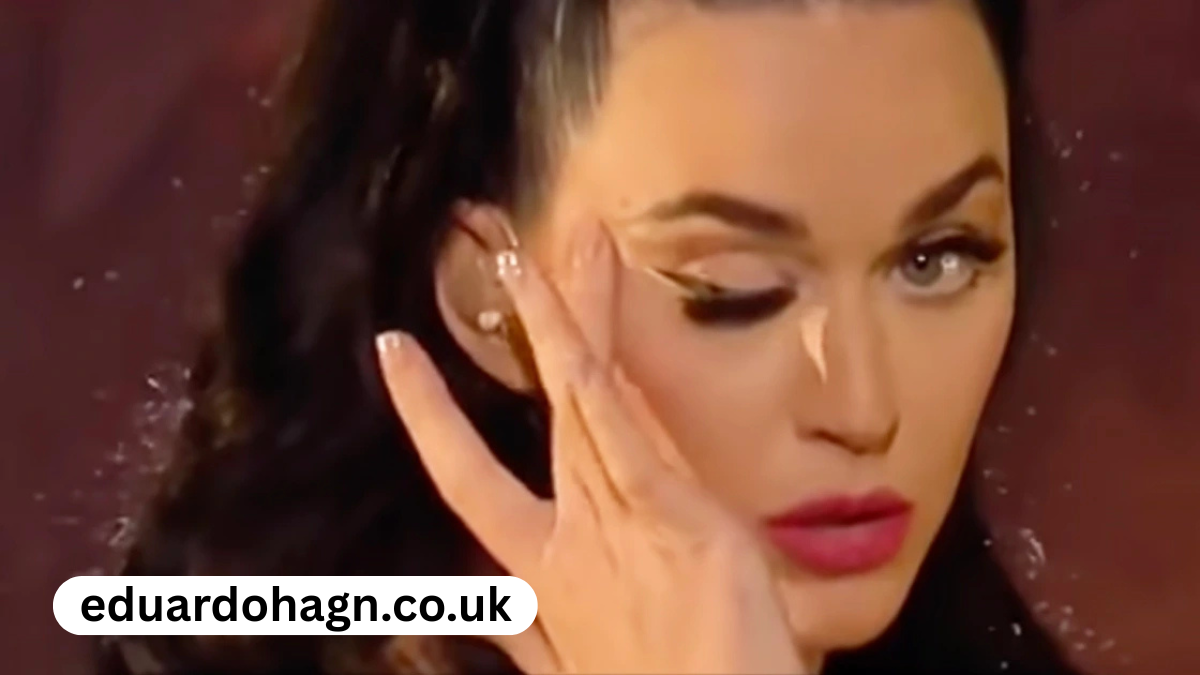
The keyword katy perry eye has recently surged across search engines and social media platforms, driven by short video clips and fan discussions about the appearance and eye movements of pop star Katy Perry. In today’s digital age, even a brief moment captured during a live performance can quickly turn into a global conversation. Fans began sharing slowed-down clips and screenshots, sparking curiosity and concern about whether something unusual was happening with her eye.
However, viral trends like this often blur the line between observation and speculation. What may appear unusual in a short video can be influenced by lighting, camera angles, fatigue, or performance energy. As the discussion spread, many people began searching for answers, trying to understand whether there was any confirmed medical issue or if it was simply internet speculation amplified by algorithms.
The growing attention around “katy perry eye” highlights how quickly celebrity moments can become trending topics, even without verified information. It also shows how audiences today actively analyze every detail of public figures, sometimes leading to misunderstandings that spread faster than facts.
What Fans Noticed About the “Katy Perry Eye” Moments
The viral interest in katy perry eye began when viewers noticed subtle facial and eye movements during certain performances and appearances by Katy Perry. Clips shared online showed moments where her eye appeared to move differently or look slightly strained, which led some viewers to question what they were seeing. These videos were often edited, zoomed in, or slowed down, making natural expressions appear more dramatic than they actually were.
In many cases, such observations come from live performances where artists are under intense lighting, emotional engagement, and physical movement. Eye expressions can naturally change due to stage brightness, long hours, or simply expressive performance styles. What audiences see in a 10-second clip may not represent the full context of a two-hour show or a full-day filming schedule.
It is also important to recognize how social media amplifies visual anomalies. Once a clip is labeled as “unusual,” viewers begin watching it with heightened attention, often noticing patterns that may not be medically or clinically significant. This is one of the key reasons why topics like “katy perry eye” gain traction even without verified explanations.
Medical Speculation vs Visual Misinterpretation
As the “katy perry eye” keyword gained popularity, online discussions quickly moved toward possible medical explanations. However, it is important to emphasize that there has been no confirmed medical diagnosis or official statement indicating any eye disorder related to Katy Perry. Much of the conversation remains speculative and based on short video interpretations.
Eye appearance and movement can be influenced by many harmless factors. Fatigue, dehydration, long performance schedules, and bright stage lighting can temporarily affect facial expressions. Even stress or concentration during live singing and choreography can lead to natural variations in eye movement. These are common human experiences and do not necessarily indicate a medical condition.
Medical professionals generally caution against diagnosing individuals based on viral videos. A proper evaluation requires direct examination, patient history, and controlled conditions—none of which are available through social media clips. This is why experts often discourage drawing conclusions from trending topics like “katy perry eye,” as they can easily mislead audiences without full clinical context.
Katy Perry’s Public Image and Health Conversations
Over the years, Katy Perry has remained a highly visible global performer, known for her energetic stage presence and colorful performances. Like many celebrities, she is frequently subject to public scrutiny, where even minor changes in appearance become widely discussed topics.
Regarding the specific “katy perry eye” discussion, there has been no verified statement or public confirmation addressing any health concern related to her eyes. In many cases, celebrities choose not to respond to every rumor circulating online, especially when it is based on speculation rather than factual reporting. This silence can sometimes further fuel curiosity, leading to more online theories.
It is also worth noting that public figures often experience intense schedules, including tours, rehearsals, interviews, and travel. Such demanding routines can naturally affect appearance and energy levels. However, without direct confirmation, it is not appropriate to link these general realities to any specific medical assumption.
Social Media Reaction and Internet Amplification
The rise of the “katy perry eye” keyword demonstrates how quickly social media can transform a small observation into a global discussion. Platforms like TikTok, X (formerly Twitter), and YouTube play a major role in accelerating such trends. Once a clip gains attention, algorithms often promote it further, increasing visibility and engagement.
Reactions from fans have been mixed. Some expressed concern and curiosity, while others defended the singer, arguing that the clips were being misinterpreted or taken out of context. This dual reaction is common in celebrity-driven viral moments, where emotional attachment influences how content is perceived.
At the same time, media outlets and content creators sometimes amplify these discussions with attention-grabbing headlines. While this increases traffic, it can also blur the line between factual reporting and speculation. As a result, topics like “katy perry eye” often become trending searches even when no verified issue exists.
The Bigger Picture: Celebrity Scrutiny in the Digital Age
The conversation around katy perry eye reflects a larger cultural phenomenon—how modern audiences interact with celebrity imagery. Public figures like Katy Perry exist in an environment where every gesture, expression, or performance detail can be captured, replayed, and analyzed endlessly online.
This constant visibility creates a situation where even natural human variations are sometimes interpreted as unusual or concerning. It highlights the importance of digital literacy and critical thinking when consuming viral content. Not everything seen in a short clip reflects a deeper issue; often, it is simply a moment taken out of context.
Responsible engagement with such topics means focusing on verified information rather than speculation. It also encourages audiences to approach celebrity health discussions with empathy and caution, recognizing that public figures are still human beings with private lives beyond the screen.
Conclusion: What We Know About the “Katy Perry Eye” Discussion
In summary, the viral “katy perry eye” trend appears to be driven primarily by social media observation rather than confirmed medical facts. While fans noticed certain visual moments in performances by Katy Perry, there is no official evidence or medical confirmation supporting any serious underlying condition.
The discussion serves as a reminder of how quickly online narratives can form and spread. It also emphasizes the importance of context when interpreting visual media. Without verified information, assumptions can easily turn into misinformation.
Ultimately, the most accurate understanding of this topic is that it remains speculative, shaped by viral clips rather than confirmed facts.
You read: The faulkner focus